A Society in Motion, But Not in a Rush to Feel
Everyday Life in Korea: Where Speed and Restraint Coexist
※ This essay is a personal record based on observations by a Korean who has spent many years living abroad, looking back at Korean society through the distance created by time and place. Korean society appears in diverse forms depending on region, generation, and environment, and the perspective presented here does not claim to represent all Koreans.
The Strange Contrast: Fast Pace, Still Faces
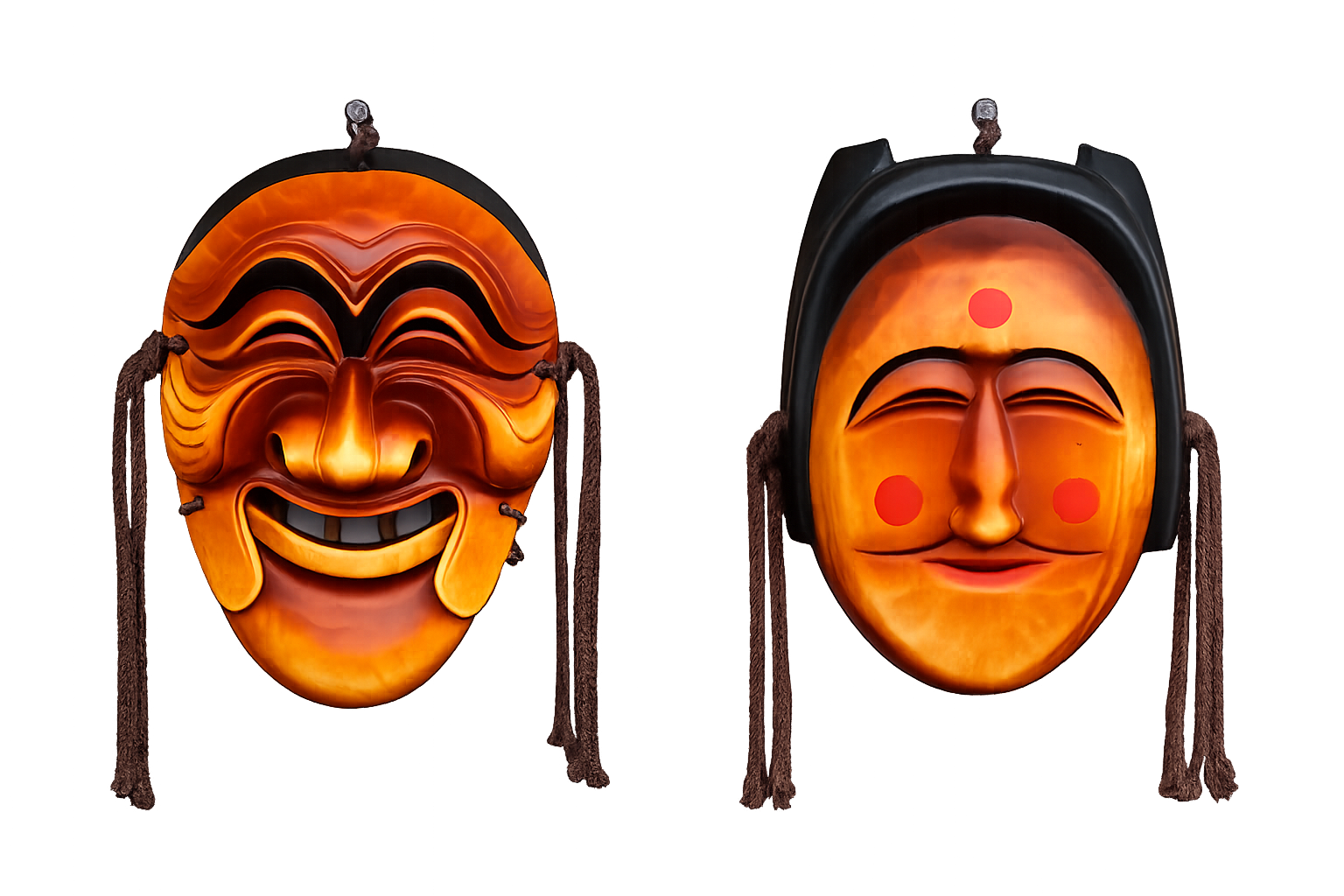
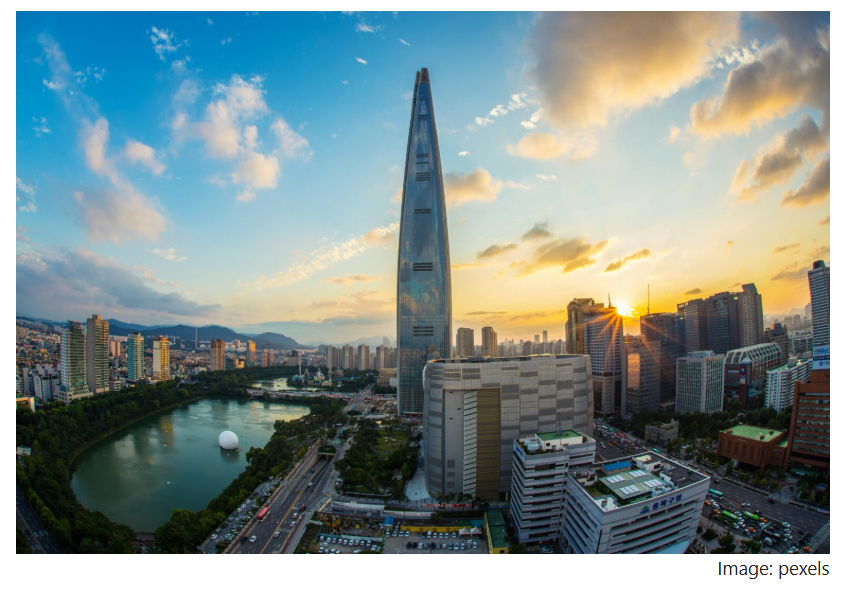
Anyone stepping into Korea’s urban workplace for the first time will likely notice a striking paradox. On one hand, life moves at a breakneck pace—people walk fast, tasks are completed swiftly, and decisions rarely linger. On the other hand, the people themselves appear remarkably composed. Voices are controlled, and facial expressions seldom reveal much emotion. This quiet stillness, set against the dazzling speed of daily work, creates a distinctive contrast.
This pattern did not emerge by accident. It reflects Korea’s particular historical trajectory. Traditional values that emphasized emotional restraint in public life combined with decades of rapid industrialization, during which collective efficiency often took precedence over individual feeling. Over time, an unspoken norm took shape: as life accelerates, emotion steps back.
Where Emotions Go: The Migration to Digital
The morning subway commute offers one of the clearest illustrations of this dynamic. People move at a near-run, yet they avoid unnecessary contact or conversation. Even when bodies collide in crowded cars, apologies are brief and irritation is rarely voiced aloud. What stands out is that while the physical space remains largely silent, the digital space in people’s hands is anything but. Emotions have not disappeared; they have shifted into messaging apps and private online exchanges, where expression feels safer and less disruptive.
A similar rhythm governs the workplace. Feedback moves quickly, but overt emotional displays during meetings are uncommon. This is less about suppressing feeling than about preserving momentum—choosing expressions that fit the context so that collaboration continues smoothly. In large corporations and more traditional organizations, this tendency is especially pronounced.
At the same time, change is underway. Younger generations, particularly in startups and creative industries, often favor flatter hierarchies and more immediate, candid communication. In these settings, traditional restraint is sometimes criticized as rigidity. Even so, in many workplaces, holding emotion in check remains a practical way to maintain stability and avoid friction.
Not Coldness, but Considerate Restraint
To outsiders—especially those from cultures that equate immediacy with honesty—this atmosphere can seem cold or mechanical. Brief exchanges and carefully managed expressions may suggest a society that values results over people. Yet in Korea’s urban context, emotion is rarely absent. More often, it is waiting for the right moment.
If honesty means voicing exactly what one feels at the instant it arises, then honesty in the Korean workplace follows a different logic. It takes the form of considerate restraint: refining emotion so that shared spaces and relationships are not unsettled. This restraint is not always purely voluntary. Hierarchy and power dynamics can make emotional control feel obligatory rather than chosen.
The cost of this balance is often invisible. Feelings that remain unspoken during work hours do not vanish; they resurface later, in private conversations or over drinks after work. Without recognizing this gap, the calm composure of Korean urban life can easily be mistaken for indifference.
Finding the Right Distance
In Korea’s major cities, speed and emotional restraint have developed side by side. The aim is to move quickly without colliding, to remain efficient without tearing the threads that hold relationships together.
This balance is never complete. At times it appears exhausting, and at others it leaves people longing for deeper connection. Still, within this tension, everyday life continues to adjust the distance between speed and feeling. If this essay offers even a small window into that quiet space, it has served its purpose.
zjdrlyukxuwoexvswhjpjmhnuujllz