
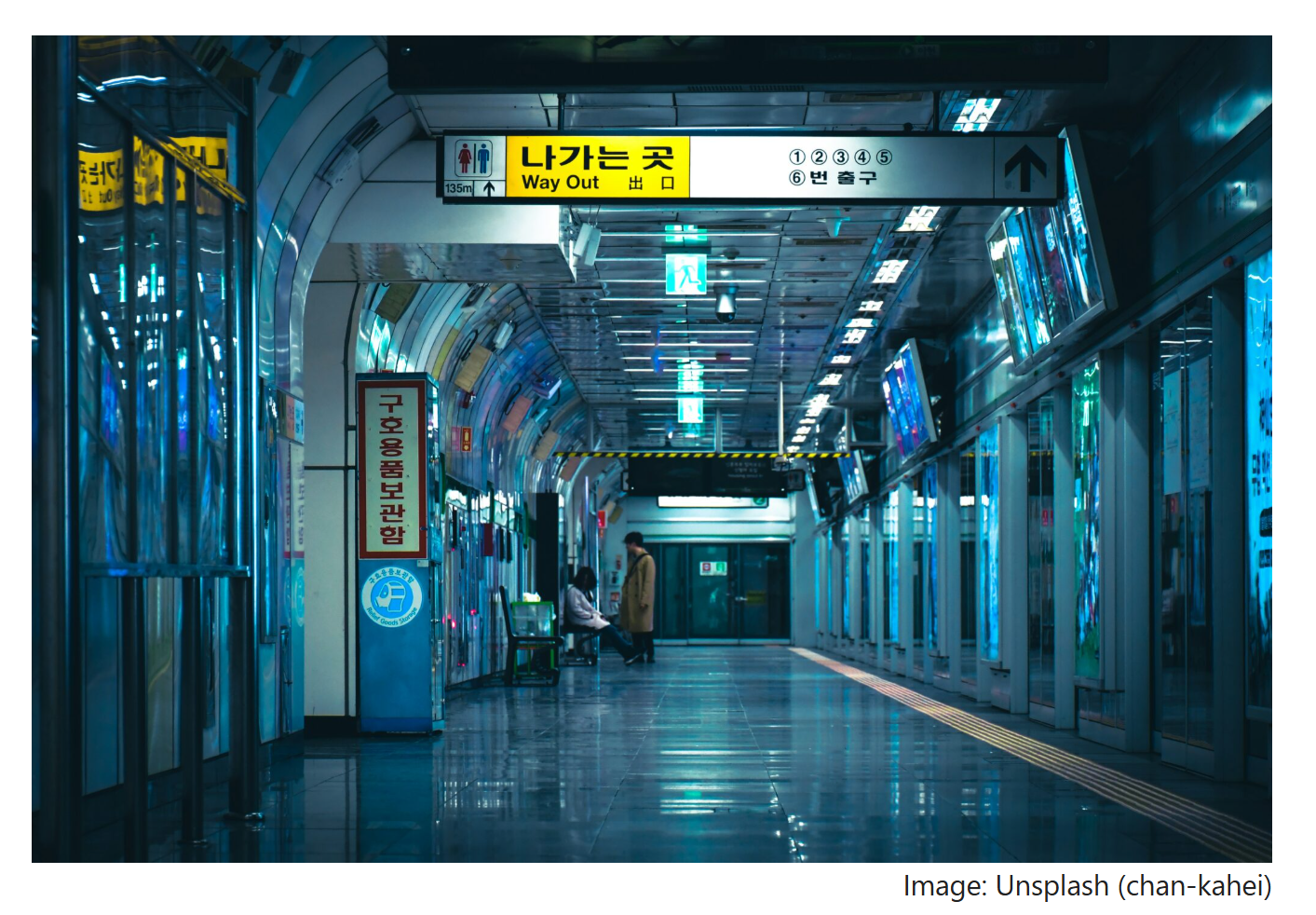
Freedom of Movement: The Comfort of Not Having to Second-Guess Too Much
When the Familiar Becomes Strange
※ This essay is a personal record based on observations by a Korean who has spent many years living abroad, looking back at Korean society through the distance created by time and place. Korean society appears in diverse forms depending on region, generation, and environment, and the perspective presented here does not claim to represent all Koreans.
When I lived in Korea, I barely noticed it. I’d take the subway to work in the morning, switch to a bus for a meetup, and head home late at night without much worry. It was all so routine that I never paused to think about it. I didn’t recalculate fares or wonder if a certain time or route felt risky.
Back then, the city’s breakneck pace actually annoyed me sometimes. Why the constant rush? Why did everything feel so tightly scheduled? Ideas like “slow living” or a “laid-back society” from other places sounded way more appealing. Then one day, I stepped out to experience it for myself.
The Other Side of “Relaxed” Living
At first, the difference felt refreshing. Trains running late didn’t faze anyone. If a bus didn’t show, people just waited for the next one. It seemed like a more easygoing way of life.
But over time, the downsides started to pile up. Having to replan your whole day around one delay got tiring. Simple outings came with second thoughts: Is it worth heading out this far, or at this hour? Nighttime public transport often got skipped altogether, and “maybe I’ll just stay in” became a regular fallback.
On top of that, there was this constant low-level tension about safety. I’d scan the area before popping in earphones or pick a seat with extra care. That’s when it hit me: in Seoul, getting around felt effortless not just because it was quick, but because it rarely required that kind of vigilance.
Moving Without Worrying Much About the Cost
In Seoul, you don’t often factor in the fare before deciding to go somewhere. A bit farther away? A few transfers in one day? It doesn’t hit your wallet hard enough to make you hesitate. Travel is just part of the plan, not a hurdle.
Living elsewhere showed me how special that is. Suddenly, every outing started with “Can I afford this trip?” As rides added up, outings dropped off. The city felt huge, but my everyday world shrank. Those low fares aren’t just savings; they’re what let you explore the city without holding back.
It’s Not Really About the Transport — It’s About the Life on Top of It
Sure, rush-hour crowds and packed trains are exhausting. But that strain might come less from a broken system and more from one that runs so reliably it draws everyone in.
In some places I’ve been, delays or no-shows are just accepted as normal, and the waiting or giving up falls entirely on you. “Relaxed living” can sometimes mean letting go of on-time arrivals or even a sense of safety. In Seoul, though, there’s still an underlying tension because things are expected to keep moving. Commitments matter.
What Stands Out When You Come Back
Seoul’s public transport isn’t flawless. But finding a system that balances reliability, safety, and truly affordable access like this isn’t common in many cities around the world. It blended into the background when I was there, but became crystal clear once I left.
It’s worth appreciating not because it’s the absolute best, but because it quietly delivers something close to what public transport should be. When the crosswalk light changes and everyone steps off together, I feel that quiet ease, and realize how much shared trust it takes to make it feel so ordinary.