14 – How Korean Mindset Shapes Everyday Behavior
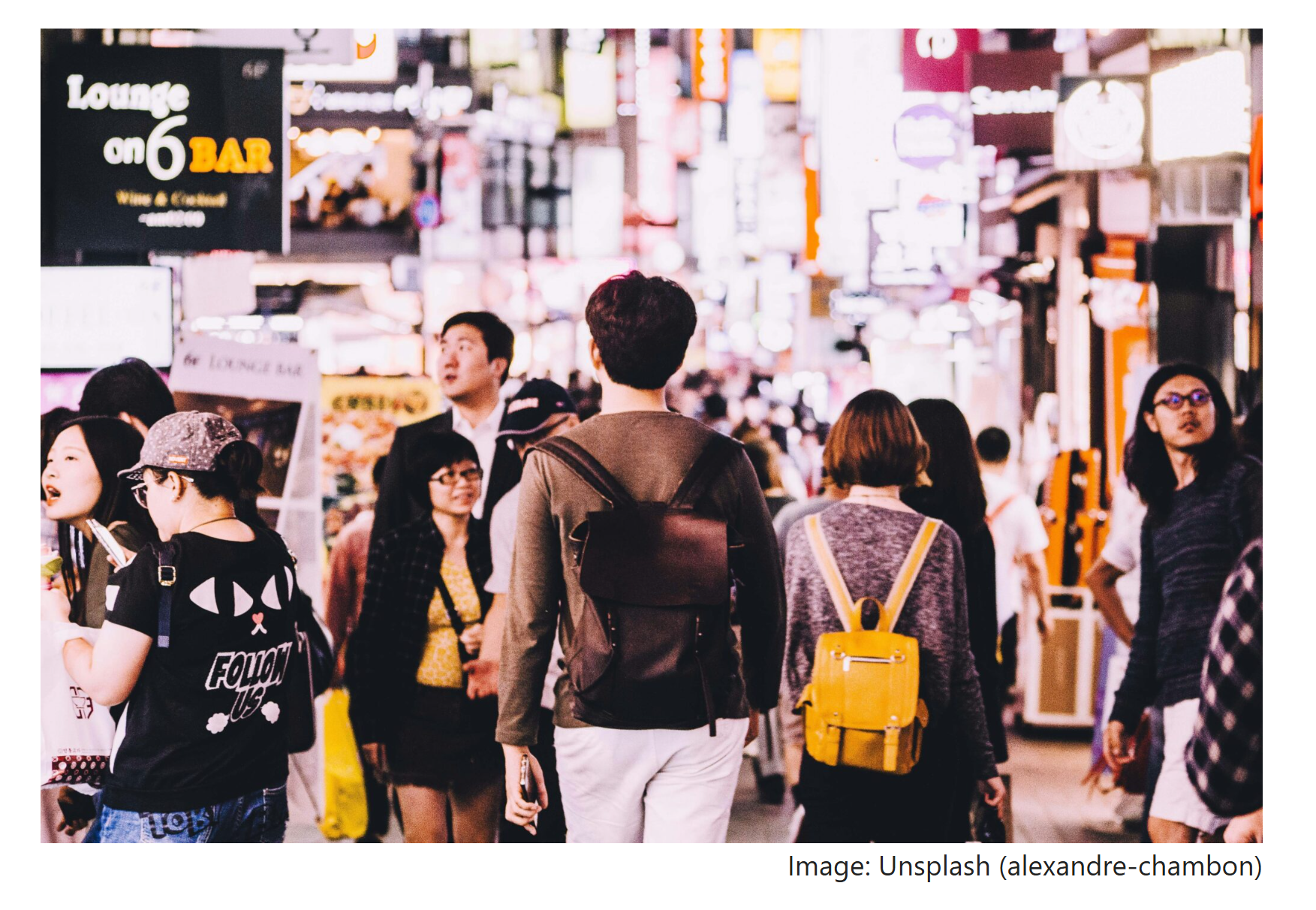
Everyday behavior in Korea is often shaped by social context rather than individual preference. This mindset developed through shared experiences and long-standing social expectations.

Understanding Korea Beyond the Surface
This series gathers essays written over time, observing Korea not as a destination, but as a lived society seen from distance. Each entry builds upon previous reflections.
Everyday behavior in Korea is often shaped by social context rather than individual preference. This mindset developed through shared experiences and long-standing social expectations.
Korean work culture is often seen as rigid or demanding. However, it developed within specific social and historical conditions that shaped how organizations operate today.
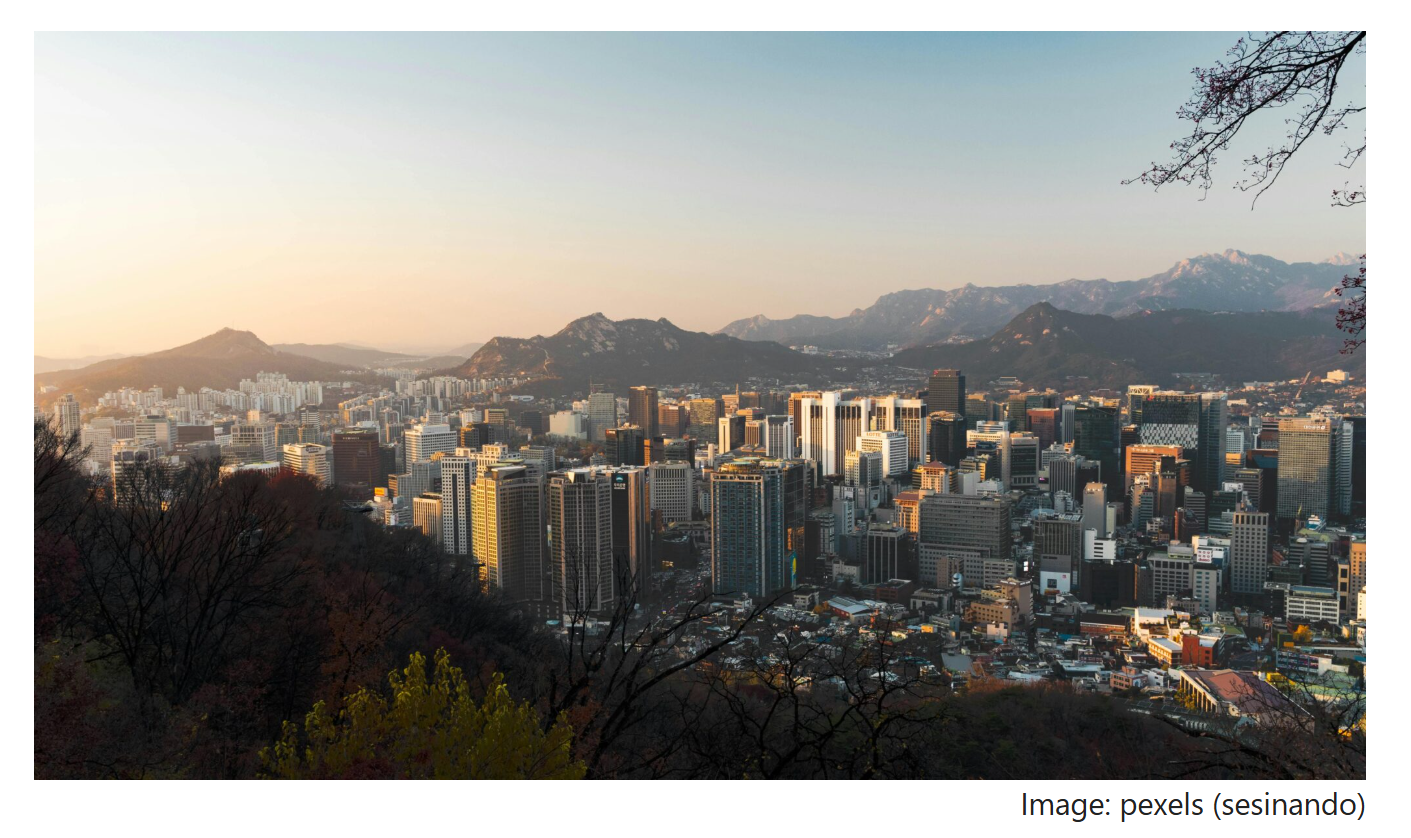
This essay looks at living costs in Korea through everyday routines rather than statistics. It traces how repeated choices and quiet pressures shape what numbers alone cannot explain.
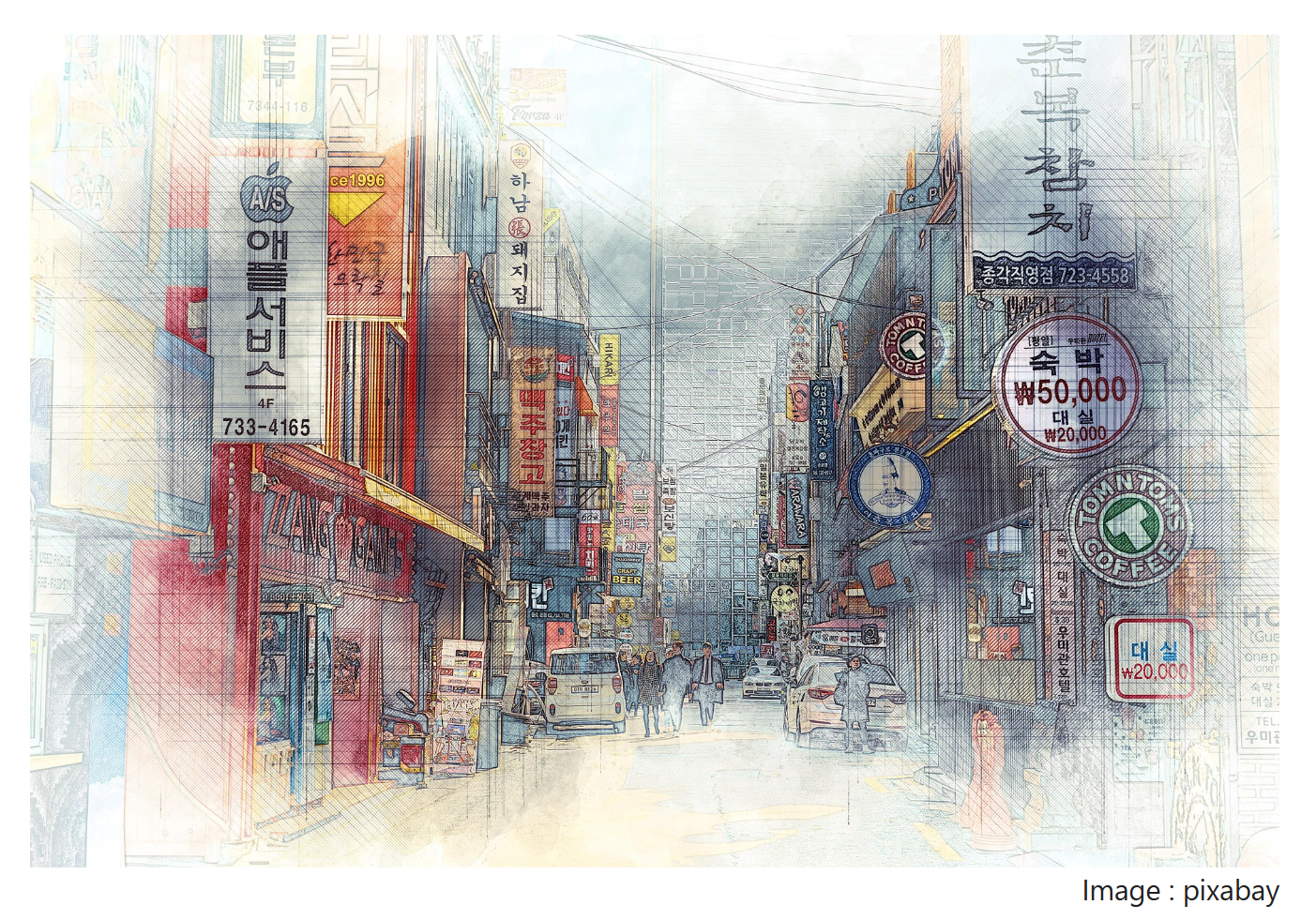
As shared context can no longer be assumed, Korean-style communication is moving through a phase of reconfiguration rather than collapse. This essay quietly traces the feeling of standing at that threshold.
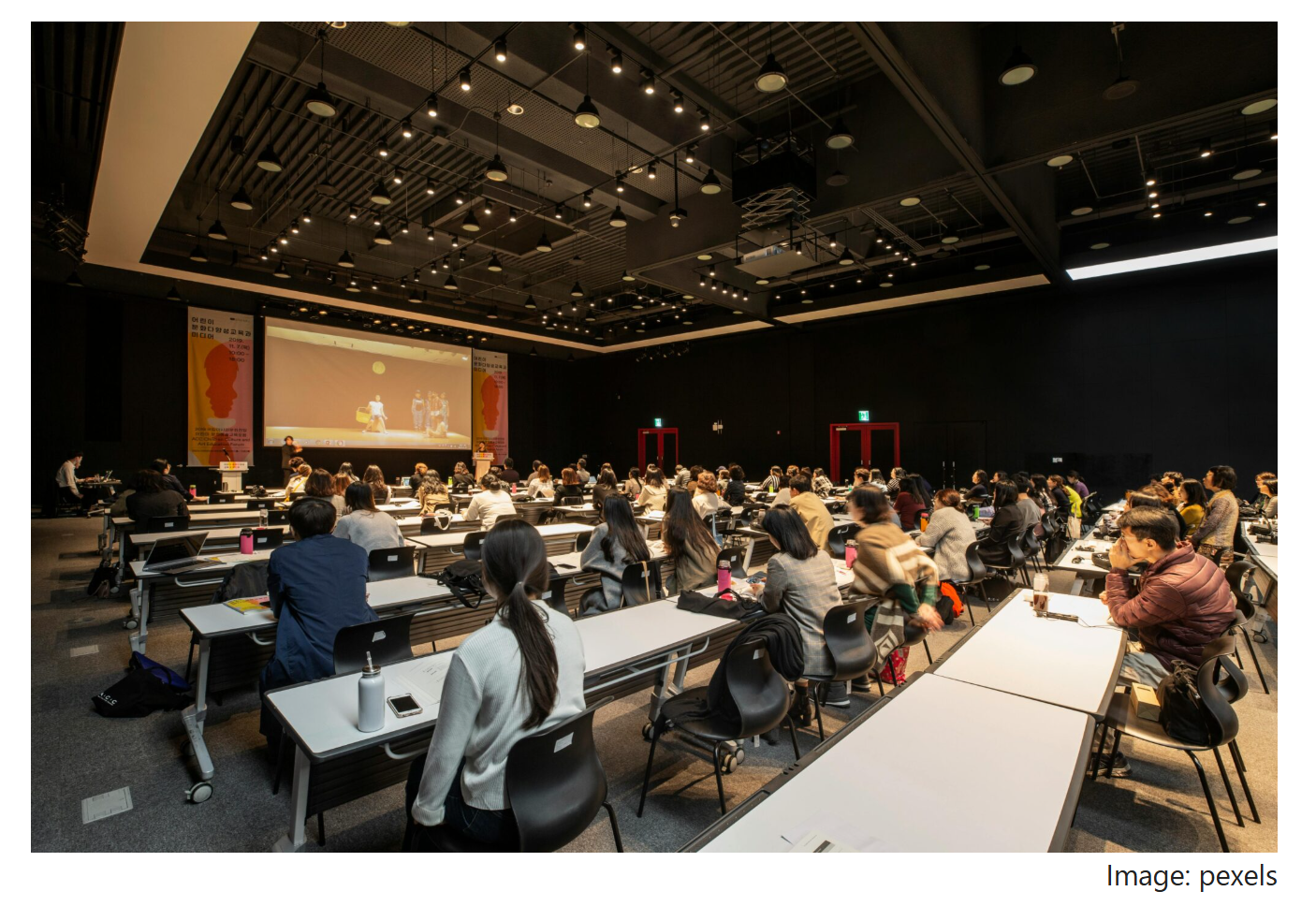
At 10 p.m., lights still glow in windows across the city. Korean education has operated not as a choice but as a system—one that once offered reassurance, but now increasingly points toward anxiety.
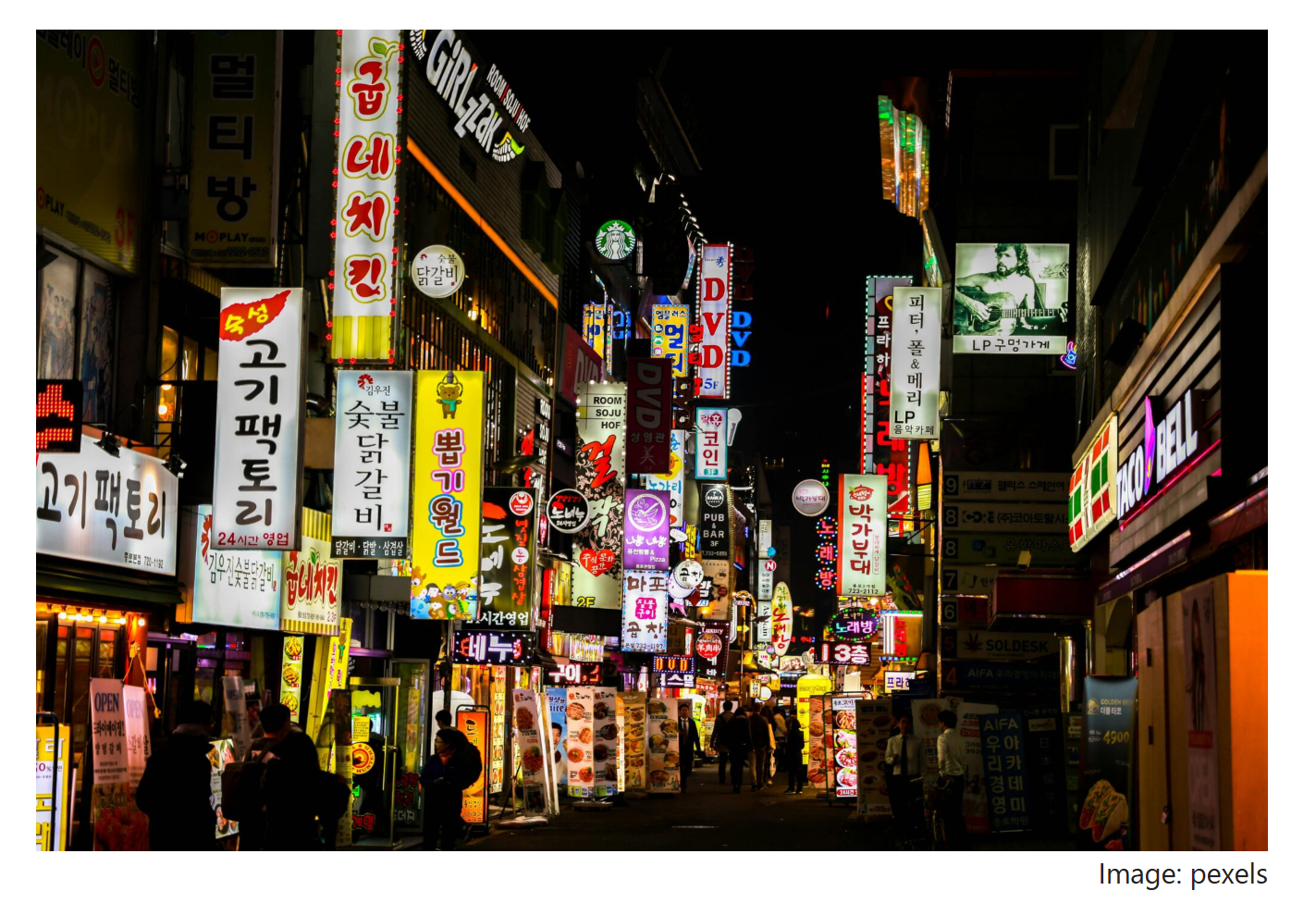
What looks like speed often hides a quieter rhythm, where emotion is processed later rather than sooner. This essay follows that subtle misalignment.
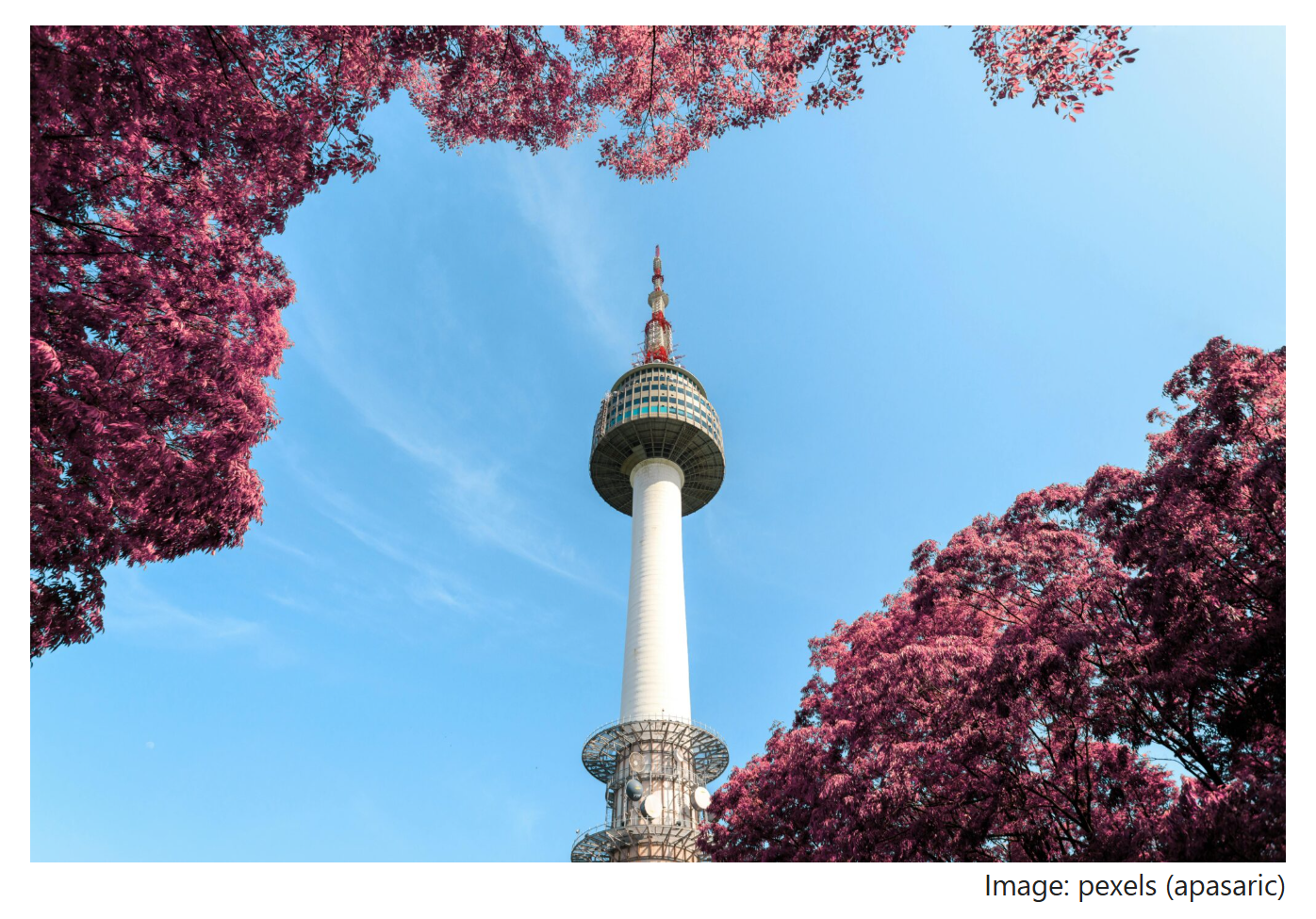
Korean social patterns may appear in the present as habits or traits, but they often make more sense when read as the residue of long, accumulated time.
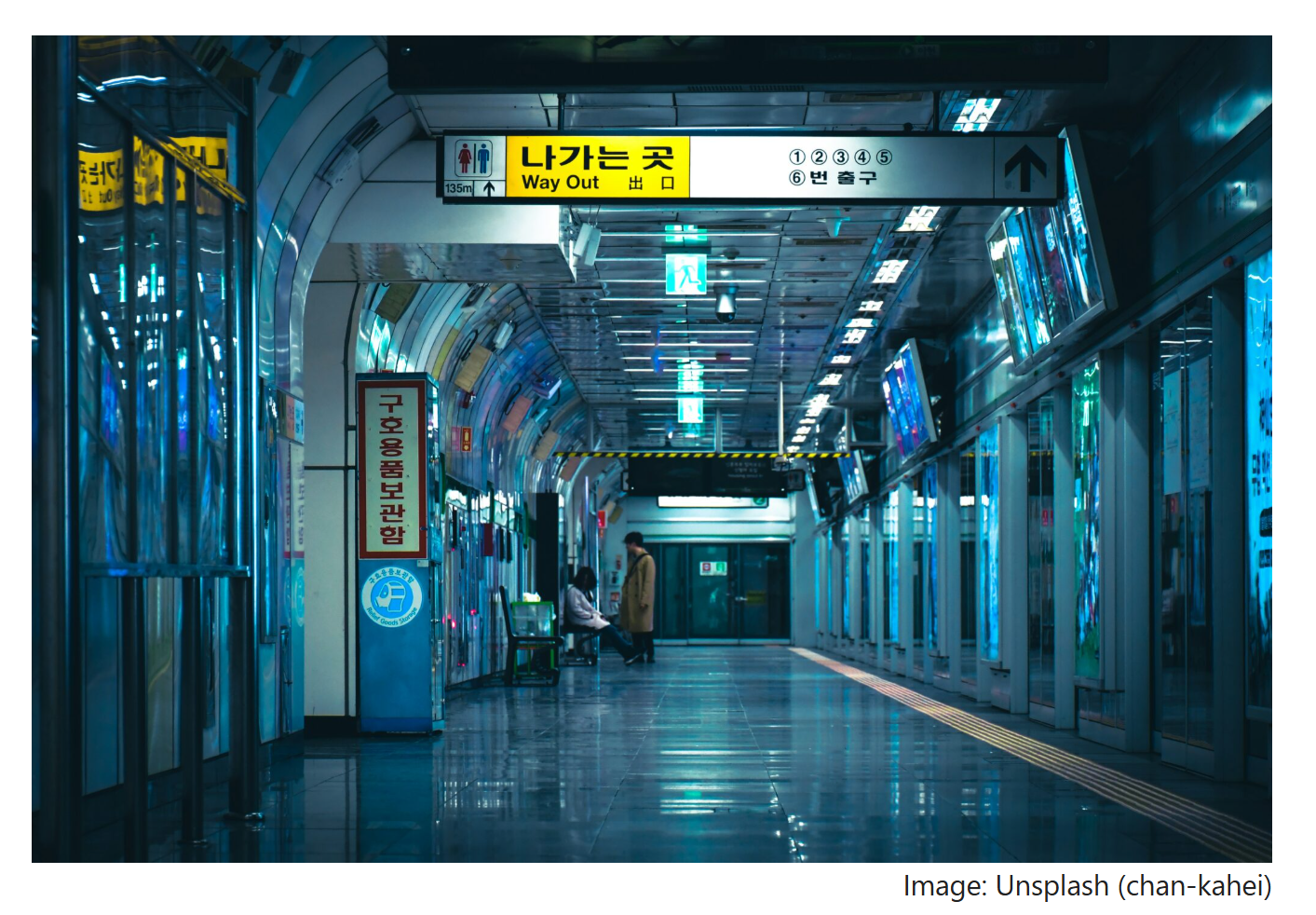
What felt ordinary inside Korea became visible only after leaving it. Sometimes freedom shows up not as choice, but as the absence of doubt.
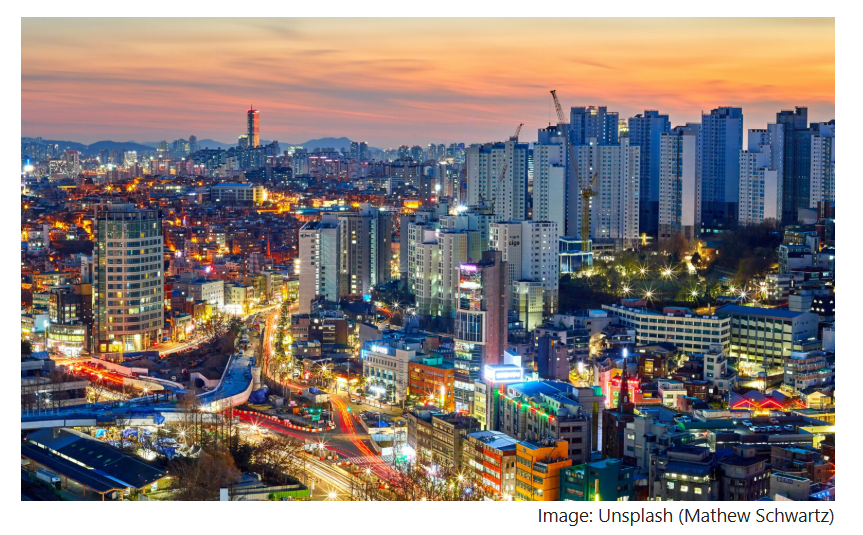
Shared understandings, more than explicit rules, hold the day together. Korean daily life unfolds quietly within an unseen framework.
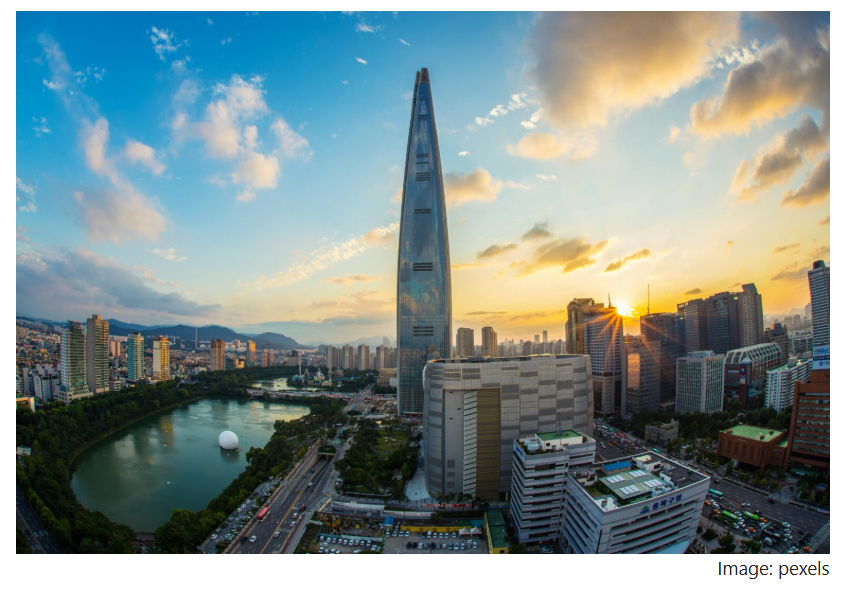
In Korea’s fast-moving cities, emotional restraint often accompanies efficiency, not indifference. This essay traces how speed and feeling have learned to coexist through carefully maintained distance.